Have you ever dreamed or think about flying high through the skies and traveling across the world? If yes, then there is opportunity as a commercial pilot that can turn your dream into reality. The demand for pilots is growing rapidly in India and globally due to the expansion of the aviation industry but the demand is not fulfilled due to shortage of commercial pilots. In India, the demand rises in air travel, because of affordable air tickets and a growing population (especially middle class), that lead to an increase of 10-15% annually, in domestic passengers.
What Does a Commercial Pilot Do?
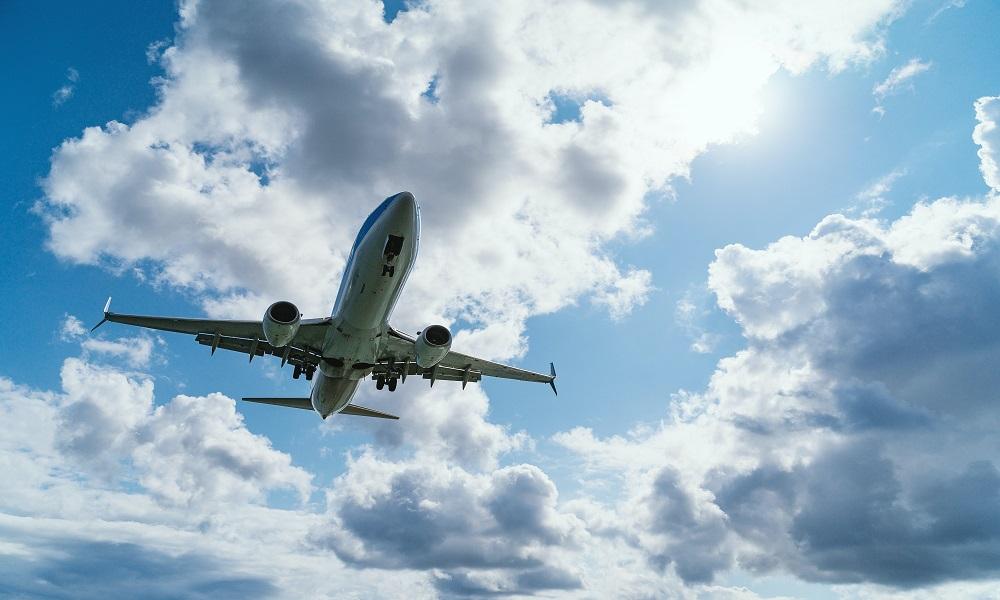
A commercial pilot is a licensed professional who fly aircraft for various purposes, like transporting passengers, cargo, charter flights and flight instruction and many more. Unlike private pilots, the commercial pilots are certified to fly the aircraft full of passengers or cargo as an employee of big airlines. They can work for airlines, cargo companies, charter services, various government agencies, ensuring safe and efficient flights. Before takeoff, they perform critical pre-flight duties, pre check the aircraft functionality, planning the route, checking weather conditions, inspecting the aircraft visually for safety, reviewing all the necessary documents related to pre-inspection of the aircraft by the technician.
During the flight, the pilot’s main responsibility is to operate the aircraft in a safe manner, that includes taking off, navigating the path, monitoring the systems like fuel levels, engine performance and navigation tools. They also maintain constant communication with air traffic control (ATC) to receive updates and instructions. After landing the plane, pilots complete post-flight duties like parking the aircraft, documenting the flight details, and debriefing the crew to discuss any issues or improvements. Additionally, senior pilots may train and mentor new pilots.
Growth and Demand of Pilots
As per the report published by Boeing, in “Boeing’s Pilot & Technician Outlook”, the world will need 600,000 more new pilots by the year 2041, because of high demand in regions like Asia, the Middle East, and North America. In india the number of commercial pilots are less, while DGCA hasn’t clarified the reason for less number of commercial pilots but as per the stats in 2024 the Directorate General of Civil Aviation (DGCA) issued 1,342 commercial pilot licences, a 17 per cent decrease from the year 2023 figure of 1,622.
This situation will create a bottleneck problem, as aircraft ordered by various commercial airlines are on their way and number of such aircrafts are higher than the available pilots. As per the sources, the major factor is the shortage of instructors in India. The DGCA takes too long to make an instructor. It takes eight to 10 months to become an instructor. Also, many experienced pilots are retiring, and the growth of cargo flights (due to e-commerce) and budget airlines is creating even more opportunities.
Type of Flights
Commercial pilots are flying various types of aircrafts, having its own unique purpose and requirements. Passenger flights are the most common one, where pilots transport peoples on scheduled routes for airlines. These flights require a strong focus on safety & comfort of the passengers and punctuality in time.
Cargo transport involves transporting the goods and packages often for logistics companies like FedEx or DHL. Pilots on cargo flights focus on timely delivery and safe handling of shipments, which can range from everyday’s products to perishable items or medical supplies. These flights often operate at night or during off-peak hours to meet delivery schedules.
Private charters to full fill the individuals or small groups need (as an urgent mode of transportation) who hire aircraft for personal benefits. Pilots in this sector fly smaller planes or jets and often work for private companies and wealthy clients. They must be flexible with flight timings, as charter flights can involve last-minute changes to schedules or destinations.
In military aviation, pilots fly missions for defence purposes, such as surveillance, combat or transport of troops and equipment. These roles require advanced training and the ability to handle high-pressure situations, often in challenging environments. Sometimes includes an emergency services flights suppose to do medical evacuations, conduct search and rescue operations, firefighting, e.t.c. Pilots in this field play a critical role in saving lives and protecting communities, often flying in difficult conditions to provide urgent assistance. Each type of flight offers unique challenges and opportunities for pilots, making aviation a diverse and dynamic career.
Eligibility Criteria & Age Requirements
The age requirements will depend on the type of license and local aviation regulations. In many countries, like US and India, you can start with a Private Pilot License at 17 years old. However, if you aim to get a Commercial Pilot License, you’ll usually need to be at least 18 year old. And if your goal is to eventually command a commercial flight as a captain with an Airline Transport Pilot License (ATPL), you’ll need to be 21. Additionally, in most of the aviation authorities, like the FAA (Federal Aviation Administration in US) or DGCA (Directorate General of Civil Aviation) in India, the pilots must retire by the age of 65.
If we talk about the formal education, a strong foundation in science subjects like physics and mathematics will be beneficial. And aspiring pilots need to complete their flight training from a recognized flight school or academy. These subjects are important because they helps in understanding the technical aspects of flying. To get the Commercial Pilot License (CPL), candidates typically need to log 150-250 flight hours, depending on the country’s regulations. For an Airline Transport Pilot License (ATPL), which is required to become a captain for commercial flights, additional 1500 flight hours and advanced training are necessary. And pilots have to pass medical exams to ensure they meet the physical and mental health standards.
Soft Skills: Communication, decision-making, teamwork, problem-solving
Soft skills are crucial for pilots, communication skills are essential for clear and effective interaction with air traffic control, crew and sometimes passengers. Decision-making helps pilots to handle unexpected situations, such as bad weather or technical issues, while teamwork ensures smooth coordination with co-pilots and cabin crew. Pilot job is surrounded by lot of pressure and hence stress management is vital for remaining calm under pressure, especially during emergencies. Adaptability helps pilots to adjust according to the changes in schedules, routes or conditions and leadership enables them to guide the crew and make critical decisions for the safety and comfort of everyone on board.
Steps to Become a Commercial Pilot
Student Pilot License (SPL)
This will gives a chance to an aspiring pilots to begin flight training and gain some hands-on flying experience under the supervision of a certified flight instructor. To qualify for an SPL, candidates must meet certain eligibility criteria i.e. at least 16 years old for gliders or balloons and 17 years old for powered aircraft in most countries, including India and the U.S. Candidates must also have completed their 10th-grade education and pass a Class 2 medical examination to ensure they are in good physical and mental health for flying. Lastly, proficiency in English is required as it is considered the international standard language for aviation communication.
Once you got your SPL, you’re allowed to fly an aircraft with a certified instructor keeping an eye on you, and eventually, you may even be cleared for solo flights. Here, the hours you log during this period are important because they are counted to get the more advanced licenses like the PPL and CPL. Your training is a mix of classroom lessons, where you learn about air regulations, navigation, and meteorology. You’ll also need to pass both written tests and practical exams administered by your flight school and the licensing authority. Generally, the SPL is valid for 24 months and can be renewed if needed. It’s a vital first step that not only gives you hands-on flying experience and builds your confidence but also helps you decide if you want to pursue a professional piloting career, eventually advancing to a PPL and then a CPL so you can fly commercially and make a living.
Private Pilot License (PPL)
If you got your Student Pilot License (SPL), the next step on your aviation journey is earning a Private Pilot License (PPL), which lets you fly on your own without an instructor. We can say PPL is your gateway to independent flying. In most places, including India and the U.S., your age should be more than 17 years and complete around 40 to 50 hours of flight training, counting both dual instruction and solo flight time.
You also have to pass a Class 2 Medical Examination to confirm you’re physically and mentally fit and demonstrate proficiency in English, given its role as the international language of aviation. After your training, you have to pass a practical flight test, often referred as a check or test ride to prove you can handle an aircraft safely. Once you have your PPL, you can fly for personal reasons like sightseeing, family trips, or just the pure joy of flying, and you’ll also start increasing the flight hours that are required for advance licence like, Commercial Pilot License (CPL) if you decide to pursue a professional career. Even though your PPL is typically valid for life, but need regular medical check-ups and meeting a minimum number of flight hours each year.

Commercial Pilot License (CPL)
A Commercial Pilot License (CPL) will be the next major milestone for pilots transitioning from private flying to a professional career in aviation. With a CPL, you can earn your bread and butter by flying for airlines, cargo companies, charter services, or even as a flight instructor. Also it will allowing you to operate a wide range of aircrafts and eventually take on roles like first officer or captain. To be eligible, you must typically be at least 18 years old in countries such as India and the U.S., and you need to have logged between 150 to 250 hours of flight training, which includes both dual instruction and solo flights as well as advanced training in manoeuvrers, cross-country and night flying. Additionally, candidates must pass a Class 1 Medical Examination, that is one of the most rigorous test than that required for a PPL. To ensure excellent physical and mental health and they must demonstrate proficiency in English.
Type Rating (Aircraft-specific training)
A “Type Rating” is a specialized certification that allows pilots to operate a specific type of aircraft, ex: Airbus A320 or Boeing 737. It is required for pilots who wish to fly commercial aircraft, as each aircraft model have unique systems, controls, and handling characteristics. To obtain a type rating, pilots must already hold a Commercial Pilot License (CPL) or Airline Transport Pilot License (ATPL). Also, they need to meet the specific eligibility criteria. They need to complete rigorous training programs approved by aviation authorities like the Federal Aviation Administration (FAA) in the U.S. or the Directorate General of Civil Aviation (DGCA) in India. This training includes both theoretical knowledge and practical flight training tailored to the specific aircraft type.
The theoretical training covers the aircraft’s systems, such as engines, hydraulics, avionics and emergency procedures. And the practical training involves simulator sessions and actual flight time to practice normal and emergency operations. Pilots must pass written exams, simulator tests and a final check or test ride with an examiner to demonstrate their proficiency in operating the aircraft. Once certified, the type rating is added to their license, allowing them to fly that specific aircraft model for commercial purposes.
Best Pilot Training Institutes in India
Key Factors for Choosing a Pilot Training Institute
DGCA Approval: Ensure the institute is approved by the Directorate General of Civil Aviation (DGCA) if you are looking for india.
Fleet and Simulators: Check the quality and condition of aircraft and simulators, you can ask your seniors or get a peer reviews.
Instructors: Ensure that there are experienced and certified flight instructors.
Placement Assistance: Some institutes offer job placement support after training.
Cost: Compare fees and additional costs (e.g., accommodation, exams).
1. Indira Gandhi Rashtriya Uran Akademi (IGRUA)
IGRUA, located in Raebareli, Uttar Pradesh, is one of the most prestigious government-run flying schools in India. Established in 1985, it is named after former Prime Minister Indira Gandhi and is known for its state-of-the-art infrastructure, including a fleet of modern aircraft and advanced simulators.
To qualify for selection in any airline in India, you must already hold a CPL and ideally have a type rating, be medically fit (Class I) and preferably be under the age of 35. IGRUA, which trains students to become airline pilots, that are nearly 70–80% of pilots flying in India are ex-IGRUANs. The course itself costs around Rs. 45 lakhs, with additional expenses such as boarding and lodging at roughly Rs. 15,000 per month, and about Rs. 2,00,000 for items like uniforms, training materials, navigation computers, headphones, study materials, and personal accident insurance. To join IGRUA, you need to have 10+2 certificate with PCM and be medically fit.

The selection process kicks off with an online entrance examination held at various centres across India, a process managed by Tata Consultancy Services (TCS) to ensure transparency. This is followed by a pilot aptitude test and an interview with an interview board. All selected candidates, including those from SC/ST/EWS/OBC categories, are required to pay a non-refundable admission charge of Rs. 50,000 and a commitment fee of Rs. 2,00,000, which is non-refundable but can be adjusted against the training fee, with seats being secured on a first-come, first-served basis. Candidates for the Ab-initio to CPL course are selected based on merit determined from the online test, pilot aptitude test, and interview, with reservation quotas maintained according to Government of India guidelines. The written examination for the course is a two-hour paper covering General English, Maths, Physics, and Reasoning at the 10+2 standard, and successful candidates are then grouped into batches based on the commitment fee paid.
For those interested in further studies, the B.Sc. (Aviation) Degree Course offers 40 seats exclusively for non-graduate IGRUA students. Selection for this degree is based on marks in 10+2 for Physics, Maths, and English, with tie-breakers decided by aggregate 10+2 marks and then 10th marks if needed. The top 40 students on the merit list are given the option to pursue the degree, which is awarded by Ram Manohar Lohia Avadh University at a cost of Rs. 20,000 per year over a three-year duration. Additionally, eligibility for the Ab-initio to CPL course requires a minimum age of 17 years, a 10+2 certificate with Maths, Physics, and English (with at least 50% marks for general candidates and 45% for SC/ST/OBC/EWS candidates), and a minimum height of 5ft 2 inches. A Class 2 Medical Certificate is required before joining, though it is recommended to undergo a Class 1 Medical examination as soon as possible since it is a prerequisite for issuing a CPL, with the list of authorized Class I Medical Examination Centres available on the DGCA website.
2. National Flying Training Institute (NFTI)
The National Flying Training Institute (NFTI), located in Gondia, Maharashtra, is a joint venture between the Airports Authority of India (AAI) and CAE, a global leader in aviation training. NFTI is equipped with latest simulators and a fleet of modern aircraft, offering CPL training that adheres to international standards. What makes NFTI unique is its collaboration with CAE which provides students with access to global best practices in aviation training and enhances their employability in the international aviation market.
CAE Gondia (NFTI), established in 2007 as a joint venture between CAE and the Airports Authority of India (AAI), offers an Integrated Commercial Pilot License (CPL) program designed to equip aspiring pilots with globally recognized credentials, including an Instrument Rating (IR) and Multi-Engine Rating (ME). The program cover subjects like meteorology, air regulations, navigation, and aircraft-specific technical knowledge with hands-on flight experience using modern DA40 and DA42 aircraft and advanced simulators. Over four months, cadets master aviation theory before progressing to 200+ hours of flight training, including solo flights and multi-engine operations, all aligned with DGCA and ICAO standards. Eligibility requires candidates aged 17–32 to hold a Class 1 medical certificate, score 55% or higher in Physics and Mathematics at the 10+2 level, and demonstrate fluency in English. The CAE Aircrew Selection System (CASS) evaluates aptitude through computer-based tests, technical reasoning, and motor skills, ensuring candidates meet the high bar for entry. While the program covers training materials and uniforms, costs like accommodation and DGCA exam fees remain separate. With state-of-the-art facilities, experienced instructors, and a focus on holistic skill development, CAE Gondia positions graduates at the forefront of aviation’s future, combining academic with real-world flight mastery.
3. Bombay Flying Club
Established in 1928, the Bombay Flying Club in Mumbai is one of the oldest flying clubs in India. It has a rich history of training some of the country’s most renowned pilots. The club offers training for PPL, CPL, and flight instructor courses and is known for its experienced faculty and well-maintained fleet. What sets the Bombay Flying Club apart is its legacy and contribution to Indian aviation, making it a symbol of excellence in pilot training.
4. Rajiv Gandhi Academy for Aviation Technology (RGAAT)
Rajiv Gandhi Academy for Aviation Technology, Kerala’s only flying training institution and a proud Government of Kerala institution, has opened admissions for its 2024-25 CPL Course, inviting aspiring pilots to begin a transformative 3-year journey toward earning a Commercial Pilot License with Instrument Rating (IR) and even an optional Multi-Engine endorsement. It is known for its focus on providing quality education and practical flying experience to aspiring pilots. What makes RGAAT unique is its commitment to making pilot training accessible to students from diverse backgrounds, ensuring that financial constraints do not hinder their dreams of flying. Situated at Trivandrum International Airport, the academy emphasizes rigorous selection with a detailed written test covering subjects like English, Maths, Physics, and General Aviation, followed by an interview, ensuring candidates meet strict academic and medical requirements as per DGCA guidelines. With eligibility criteria mandating a minimum age of 17 by April 1, 2024, and specific academic thresholds for both general and SC/ST applicants, the course is structured to foster exceptional talent. The comprehensive training, including both ground school and flying instruction, comes at a total fee of Rs 35,35,000 payable in structured instalments, underscoring the academy’s commitment to quality education and professional excellence. Interested applicants are encouraged to download the application form from the academy’s website and submit it along with the requisite demand draft by 30 August 2024, setting the stage for a career that truly enables one to “Rule the Sky, Lead the World”.
5. Ahmedabad Aviation & Aeronautics Ltd (AAA)
Ahmedabad Aviation & Aeronautics Ltd (AAA), based in Ahmedabad, Gujarat, is known for its emphasis on practical flying experience and modern training facilities. The institute offers CPL training and is equipped with advanced simulators and a well-maintained fleet of aircraft. What sets AAA apart is its strong focus on hands-on training and its placement assistance program, which helps graduates secure jobs in the aviation industry.
6. Orient Flight Aviation Academy
Located in New Delhi, Orient Flight Aviation Academy is known for its personalized training programs and experienced instructors. The academy offers CPL, PPL, and multi-engine training and is equipped with advanced simulators. What makes Orient Flight unique is its focus on individualized attention, ensuring that each student receives the guidance and support needed to excel in their training.
7. Madhya Pradesh Flying Club
The Madhya Pradesh Flying Club in Indore is one of the oldest flying clubs in India, with a rich history of training pilots since its establishment. It offers CPL and PPL training at affordable costs and is known for its strong emphasis on safety and quality training. What sets this club apart is its legacy and commitment to providing high-quality training to aspiring pilots from all walks of life.
8. Academy of Carver Aviation
Based in Pune, Maharashtra, the Academy of Carver Aviation is known for its international-standard training programs. The academy offers CPL, PPL, and multi-engine training and is equipped with modern aircraft and simulators. What makes Carver Aviation unique is its focus on preparing students for global aviation careers, ensuring they meet the highest standards of professionalism and expertise.
9. Blue Diamond Aviation
Blue Diamond Aviation, located in Pune, Maharashtra, is known for its focus on practical flying skills and experienced instructors. The academy offers CPL and PPL training and provides placement assistance for graduates. What sets Blue Diamond apart is its student-friendly environment and commitment to helping students achieve their career goals in aviation.
10. Chimes Aviation Academy (CAA)
Chimes Aviation Academy, located in Dhana, Madhya Pradesh, is known for its affordable and high-quality training programs. The academy offers CPL and PPL training and is equipped with modern aircraft and simulators. What makes Chimes unique is its focus on providing a supportive and inclusive learning environment, ensuring that students from diverse backgrounds can pursue their dreams of becoming pilots.
Key Advantages of Government Flying Schools
Government flying schools are more cost-effective compared to private institutes, making pilot training more accessible. These schools adhere to strict standards set by the Directorate General of Civil Aviation (DGCA) and provide world-class training. Government institutes often have highly experienced instructors with extensive aviation backgrounds. Many government flying schools are equipped with advanced simulators and modern aircraft.
Cost & Scholarships
Scholarships for Pilot Training
Several organizations and institutes offer scholarships to help aspiring pilots manage the high costs of training. Here are some options:
Ministry of Tribal Affairs
The Government of India, through the Ministry of Tribal Affairs, has introduced a comprehensive scheme aimed at providing post-matric scholarships to Scheduled Tribe students for studies in India. This initiative is only for an indian nationals belonging to Scheduled Tribes with parental incomes not exceeding Rs. 2,00,000 per annum qualify for the award. The scheme offers a maintenance allowance that varies based on the type of course and whether the student is a hosteller or day scholar, and it covers a wide range of expenses including compulsory non-refundable fees, study tour charges, thesis printing costs, and allowances for correspondence courses.
Department of Social Justice & Empowerment
The scholarship schemes for OBCs are designed to support students at both pre-matric and post-matric levels, with Pre-Matric Scholarships available to candidates whose parents’ or guardians’ total income does not exceed Rs. 44,500 per annum and Post-Matric Scholarships provided to those with incomes up to Rs. 1 lakh per annum. Applicants are advised to contact their respective State’s Department of Social Welfare, Social Justice & Empowerment, or District Social Welfare Officers to apply, ensuring that they meet the eligibility criteria and belong to the OBC category that is not part of the “Creamy Layer.” The schemes categorize courses into four groups, where Group A includes advanced academic and professional courses such as medicine, engineering and Commercial Pilot License training, offering a scholarship of Rs. 5000 per flying hour for 200 hours along with applicable maintenance allowances.
IGRUA Scholarships: Indira Gandhi Rashtriya Uran Akademi (IGRUA) offers merit-based scholarships to deserving students.
Airline-Sponsored Programs
Cadet Pilot Programs: Airlines like IndiGo, Air India, and SpiceJet offer cadet programs that cover part of the training cost in exchange for a service commitment.
Jet Airways Training Scholarship: Jet Airways (before its closure) offered scholarships for aspiring pilots.
Lufthansa Aviation Training: Provides financial assistance and training programs for aspiring pilots.
International Scholarships
CAE Oxford Aviation Academy: Offers scholarships for students enrolling in their global training programs. partnered with airlines across the globe, each offering different opportunities. For example, one airline might offer partial funding for training, and another full funding, some include an employment opportunity. It all depends on what is offered in your region of eligibility
AOPA (Aircraft Owners and Pilots Association): Provides scholarships for international students pursuing aviation careers.
Institute-Specific Scholarships
Many flying schools, such as NFTI and Bombay Flying Club, offer merit-based scholarships or fee waivers to deserving candidates.
Funding options: Bank loans, airline sponsorships, and government scholarships
Many options like, bank loans. Many banks in India offer education loans specifically for pilot training. These typically cover tuition, accommodation and other essentials and the best part? You don’t have to start repaying until after you finish your course. Just make sure you choose the right interest rates and terms that fit your situation.

Then there’s the airline-sponsored route. Big players like IndiGo and Air India run cadet programs where they cover a chunk of your training costs. In return, you commit to working with them for a set period after you earn your wings. It’s a win-win: you get financial support and a direct path to a job once you’re certified.
And don’t overlook scholarships! Institutions like IGRUA and certain state governments offer scholarships based on merit or financial need. These aren’t just for academic superstars. If you’ve got the passion and drive, it’s worth applying. A bit of paperwork could save you a fortune.
Then there’s the airline-sponsored route. Big players like IndiGo and Air India run cadet programs where they cover a chunk of your training costs. In return, you commit to working with them for a set period after you earn your wings. It’s a win-win: you get financial support and a direct path to a job once you’re certified.
And don’t overlook scholarships! Institutions like IGRUA and certain state governments offer scholarships based on merit or financial need. These aren’t just for academic superstars. If you’ve got the passion and drive, it’s worth applying. A bit of paperwork could save you a fortune.
Airline Cadet Programs (IndiGo, Air India, etc.)
Cadet programs might be your golden ticket if you are looking for financial assistance while you are learning. Think of them as crash courses where airlines like IndiGo or Air India basically say, “We’ll train you, but you’ll work for us later.” It’s not free money, but it’s close, they often foot a big chunk of your pilot training bills (we’re talking lakhs here) as long as you agree to stick with them for a few years post-certification.
Take IndiGo’s program, for example. They team up with flight schools to get you a Commercial Pilot License (CPL) and even train you on specific planes like the Airbus A320, because you’ll actually fly for them. Air India’s done similar gigs, grooming pilots tailored to their fleet. They w’ll grind you through classroom theory, log real flight hours, sweat through simulator drills and pick up tricks from pilots who’ve been in the cockpit for years.
The kicker? If you successfully completed the training, you’re pretty much guaranteed a job. No interviews or praying for new openings required. It’s like a direct boarding pass to the aviation industry, minus the usual chaos. Plus, you skip the nightmare of massive loans, For anyone serious about flying, these programs are basically cheat codes.
Career Opportunities
Airline pilots employed by carriers like IndiGo, Air India and Vistara command advanced aircraft such as the Airbus A320 and Boeing 737, requiring specialized type ratings and benefiting from cadet pilot programs that cover training costs and offer a direct path to First Officer roles. Cargo pilots working for companies like FedEx, Blue Dart, and DHL typically fly during nighttime when operations are busiest on large aircraft like the Boeing 777F, enabling them to navigate long international routes.
Corporate and private jet pilots fly luxury jets such as the Gulfstream G650 or Bombardier Global Express, transporting high-profile clients including business executives and celebrities while enjoying flexible schedules and exclusive travel opportunities. Meanwhile, flight instructors play a crucial role by providing both ground and flight training to aspiring pilots, gaining valuable experience that can help them transition into airline or corporate roles.
In military and government aviation, pilots in the IAF, Indian Coast Guard, and BSF Air Wing fly sophisticated aircraft like the Sukhoi Su-30MKI and C-17 Globemaster, undertaking vital missions ranging from combat operations to surveillance, search and rescue, and border patrol. Furthermore, the emerging field of drone piloting is opening new avenues, with operators managing unmanned aerial vehicles for tasks such as aerial photography, agriculture, and delivery services, while innovations in urban air mobility and electric vertical takeoff and landing aircraft continue to create fresh opportunities in advanced technology aviation.
Future Trends & Growth in Aviation
The aviation industry need to evolve more toward sustainability. For example, Sustainable aviation fuel from renewable sources like cooking oil and agricultural waste that can help to reduce carbon emissions significantly compared to traditional jet fuel. As we know, “The Concord”, is the world’s first supersonic passenger jet, that can fly from New York to London in just 3.5 hours, less than half the time of a conventional flight. Although the Concorde was retired in 2003, companies like Boom Supersonic are now working on new supersonic jets that could bring back ultra-fast travel.
The future of aviation is equally exciting, with innovations like electric and hybrid aircraft. Companies like Joby Aviation and SpaceX are pushing the boundaries, making air travel more faster, sustainable and more accessible. According to the BoeingCommercial Market Outlook 2023, South Asia is about to welcome over 2,700 new airplanes in the next two decades, with 90 percent destined for India. This growth projection also demands approximately 37,000 pilots and 38,000 mechanics in the region, largely led by India.
FAQ’s
What is the minimum age criteria to start pilot training in India?
The minimum age criteria to start training for a Student Pilot License (SPL) is 16 years for gliders and balloons and 17 years for powered aircraft. For a Commercial Pilot License, the minimum age is 18 years.
How much does it cost to become a pilot in India?
The cost of pilot training in India ranges from ₹25-40 lakhs for a Commercial Pilot License (CPL), depending on the flying school and type of aircraft used for flying. Additional costs include medical exams, accommodation and study materials (these costs are not included in the main cost).
What is the salary of a commercial pilot in India?
The starting salary for a First Officer in India is around ₹1.5-2.5 lakhs per month, while experienced Captains can earn ₹5-10 lakhs per month, depending on the airline and aircraft type.
Can I become a pilot if I wear glasses?
Yes, you can become a pilot if you wear glasses, as long as your vision meets the medical standards set by the DGCA. Corrected vision (with glasses or contact lenses) is acceptable.
Which documents are required to apply for an aviation scholarship?
The documents required to apply for pilot training scholarships in India can vary depending on the scholarship program. However, some commonly required documents include:
- Completed application form
- Academic transcripts (mark sheets)
- Proof of identity (Aadhaar card, passport)
- Medical certificate issued by a DGCA-approved medical examiner
- Recommendation letters (from teachers, instructors, aviation professionals)
- An essay or personal statement outlining your aviation goals and motivations
Can I become a pilot if I have a fear of heights?
Surprisingly, many pilots have a fear of heights but overcome it during training. Flying an aircraft feels different from being on a high building, and most pilots adapt quickly.
Can I become a pilot after 12th grade?
Yes, you can start pilot training after completing 12th grade with Physics, Chemistry and Mathematics (PCM). Many flying schools accept students directly after high school.
Is math and science important to become a pilot?
Yes, a strong foundation to become a pilot is math and science, for understanding aviation concepts like principle of aerodynamics, navigation system and meteorology. However, you don’t need to be an expert, all you need is the basic knowledge and a willingness to learn is very important.
What are the medical requirements to become a pilot?
Pilots must pass a Class 1 Medical Examination conducted by a medical examiner, approved by DGCA. This includes tests for vision, hearing, cardiovascular health and overall fitness.
How long does it take to become a commercial pilot?
It typically takes 18-24 months to complete the training and obtain a Commercial Pilot License (CPL), depending on the flying school and also depends upon the student’s individual progress.
Can I become a pilot if I am colourblind?
Mild colour vision deficiency may not disqualify you, but severe colour-blindness can be a barrier, as pilots need to distinguish between coloured signals and instruments. A medical examination will determine your eligibility.
What is the difference between a pilot and a co-pilot?
A pilot (or Captain) is the commander of the aircraft and has the final authority, while a co-pilot (or First Officer) assists the Captain and shares flying responsibilities. Both are fully qualified to operate the aircraft.
Are there scholarships or financial aid for pilot training?
Yes, some government institutes like IGRUA and airlines like IndiGo offer scholarships or cadet programs to help students cover the cost of training. Banks also provide education loans for pilot training.
What are the career opportunities after becoming a pilot?
Pilots can work with commercial airlines, cargo operators, private charters or government aviation services. They can also become flight instructors or explore emerging fields like drone piloting and urban air mobility.
Is pilot training difficult?
We can say that the pilot training is challenging but rewarding. It requires dedication, hard work, and a passion for aviation. The training includes both theoretical knowledge and practical flying experience.
Can girls become pilots in India?
Absolutely yes, many women in India, such as Captain Zoya Agarwal and Captain Nivedita Bhasin, have successful started their careers as pilots. Gender is not a barrier in aviation.
What is the future of the aviation industry in India?
The aviation industry in India is growing rapidly, with increasing demand for pilots due to the expansion of airlines and the rise of low-cost carriers. Emerging sectors like drone technology and urban air mobility also offer exciting opportunities.
What is the difference between a CPL and an ATPL?
A Commercial Pilot License (CPL) allows you to fly for hire, while an Airline Transport Pilot License (ATPL) is required to become a Captain on commercial airliners. To get ATPL licence, more number of flight hours and advanced training is required.
Do pilots need to learn swimming?
Yes, swimming is often a part of pilot training. It is essential for ditching procedures (emergency water landings) and survival training, as pilots must be prepared for all types of emergencies.
Can I become a pilot if I have a history of medical conditions?
It depends on the condition. Some medical issues, like severe heart problems or epilepsy, may disqualify you. However, conditions like asthma or mild allergies may not be an issue if they are well-managed. A Class 1 Medical Examination will determine your eligibility.
What happens if I fail a flight test during training?
If you fail a flight test, you can usually retake it after additional training and practice. Most flying schools allow multiple attempts, but you may need to pay extra fees for retests.
Do pilots get free flights or travel benefits?
Yes, most airlines offer travel benefits to their pilots and their families, including free or discounted flights. However, these benefits are usually subject to availability and specific airline policies.
Can I switch careers and become a pilot later in life?
Yes, many people switch to aviation as a second career. As long as you meet the age, medical, and training requirements, you can become a pilot at any stage of life.
What is the most challenging part of being a pilot?
The most challenging aspects include managing irregular schedules, staying alert during long flights, and handling emergencies. However, the thrill of flying and the opportunity to travel the world make it a rewarding career.